Roof Leak Water Damage in San Marcos, TX
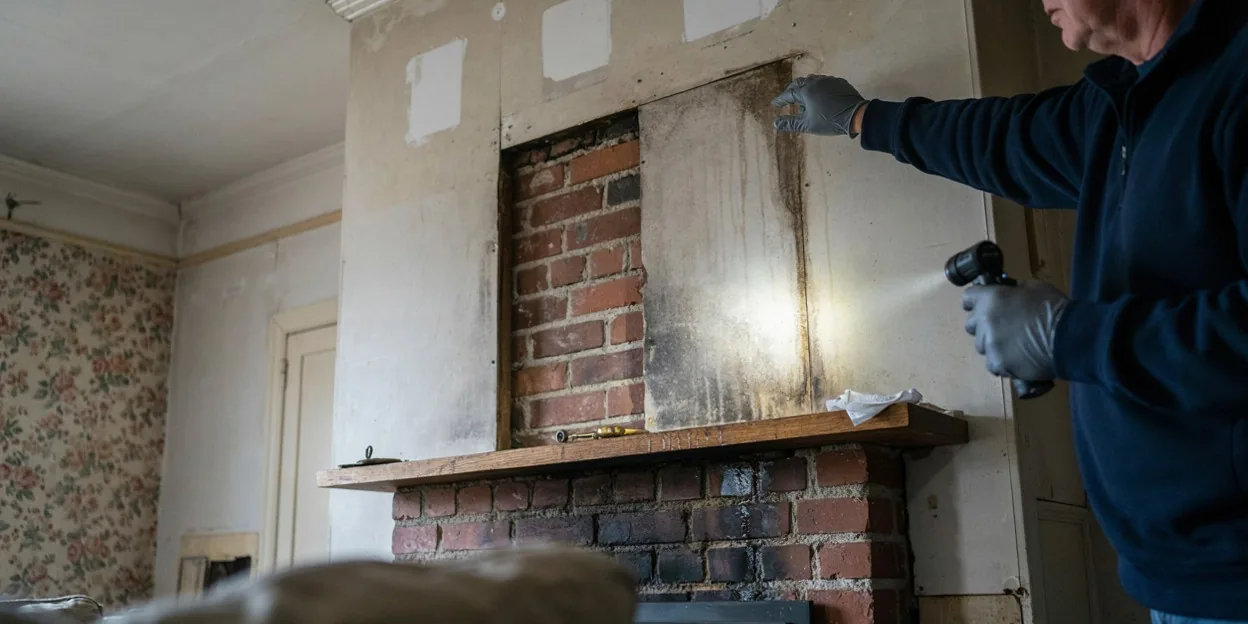
The hail came through on a Sunday evening and sounded like gravel on the roof for ten minutes. You checked the cars. Three weeks later, after a slow all-day rain, there is a wet patch on the hallway ceiling and the insulation in the attic above it is dark and heavy. The roof has been leaking since the hail; it just took a long rain to show. This site passes your call to an independent local provider who handles roof leak water damage in San Marcos and across Hays County.
Two trades, one wet attic: how the inside work is sequenced
The roofer stops the water. A tarp goes on first, then the shingle or flashing repair. The water damage crew's work begins when nothing new is coming in. They pull the wet insulation from the attic above the stain and from a margin around it, because water spreads along the decking before it drips. The decking and rafters are metered. Below, the stained ceiling drywall is cut back to dry material, and any wall the water ran down inside gets a reading at the bottom. Structural drying equipment goes into the attic and the rooms below until the framing reads dry.
If the leak has been running for a while, the crew also looks for staining on the back of the drywall and the top plates, which tells them how long the attic has been wet.
While the rain is still coming through
Put a bucket or a trash can under the drip and move anything electrical. If the ceiling has a belly, stay out from under it. Do not go onto a wet roof. If you have a tarp and the weather has cleared, a roofer or a handyman can cover the spot the same day; many do emergency tarping. Photograph the ceiling, the attic if you can safely reach the access, and the roof from the ground. Note the date of the hail or the storm, because the adjuster will ask.
Insulation, decking, and the ceiling: what comes out and what dries
Wet blown-in or batt insulation comes out; it does not dry in place and holds the moisture against the ceiling. Plywood or OSB decking that is dark but still firm usually dries. Decking that has gone soft or delaminated is a roofer's replacement. Ceiling drywall that is stained but hard can sometimes be dried and sealed; drywall that sags comes down and the ceiling becomes a ceiling water damage repair job once the cavity is dry. Ask the crew which reading or which condition made each call.
Hail, spring storms, and the roofs of Hays County
San Marcos gets its roof damage in the spring and early summer, when storms build over the Hill Country and roll east across I-35. Hail is the usual culprit, and the damage is often invisible from the ground: cracked shingle mats that let water through at the next heavy rain, split pipe boots, and flashing lifted at the chimney or the wall where a second story meets a porch roof. The ranch houses east of campus from the 1960s and 1970s have low-slope roofs with long valleys that hold water, and many are on their third layer of shingles. Newer two-story houses in Kyle, Buda, and the west-side subdivisions have more valleys and more penetrations to leak at.
The same storms bring the rain that floods creeks, so a house can have a roof leak and water in the garage on the same night. Those are different jobs: the garage water is flash flood cleanup and follows contaminated-water rules, while the attic water is clean rain. Tell the crew about both.
Hail and wind damage to a roof is the loss Texas policies are most used to paying, and the interior damage that followed it is usually part of the same claim. Most Texas policies have a separate, higher deductible for wind and hail, so ask the roofer and the crew to keep their scopes separate and dated.
Call about the water coming through the ceiling
Tell us where the drip is, when the storm or the hail was, and whether the roof has been tarped. Say whether the ceiling is sagging and whether the attic insulation is wet. Call (737) 283-4979 and describe what you see.